
Michael Israel: Artist, Entertainer, Humanitarian
"When Imagination Exceeds reality, Dreams are Born!" -Michael Israel
Prologue
Famous artist? Yeah, sure… but let’s be real.
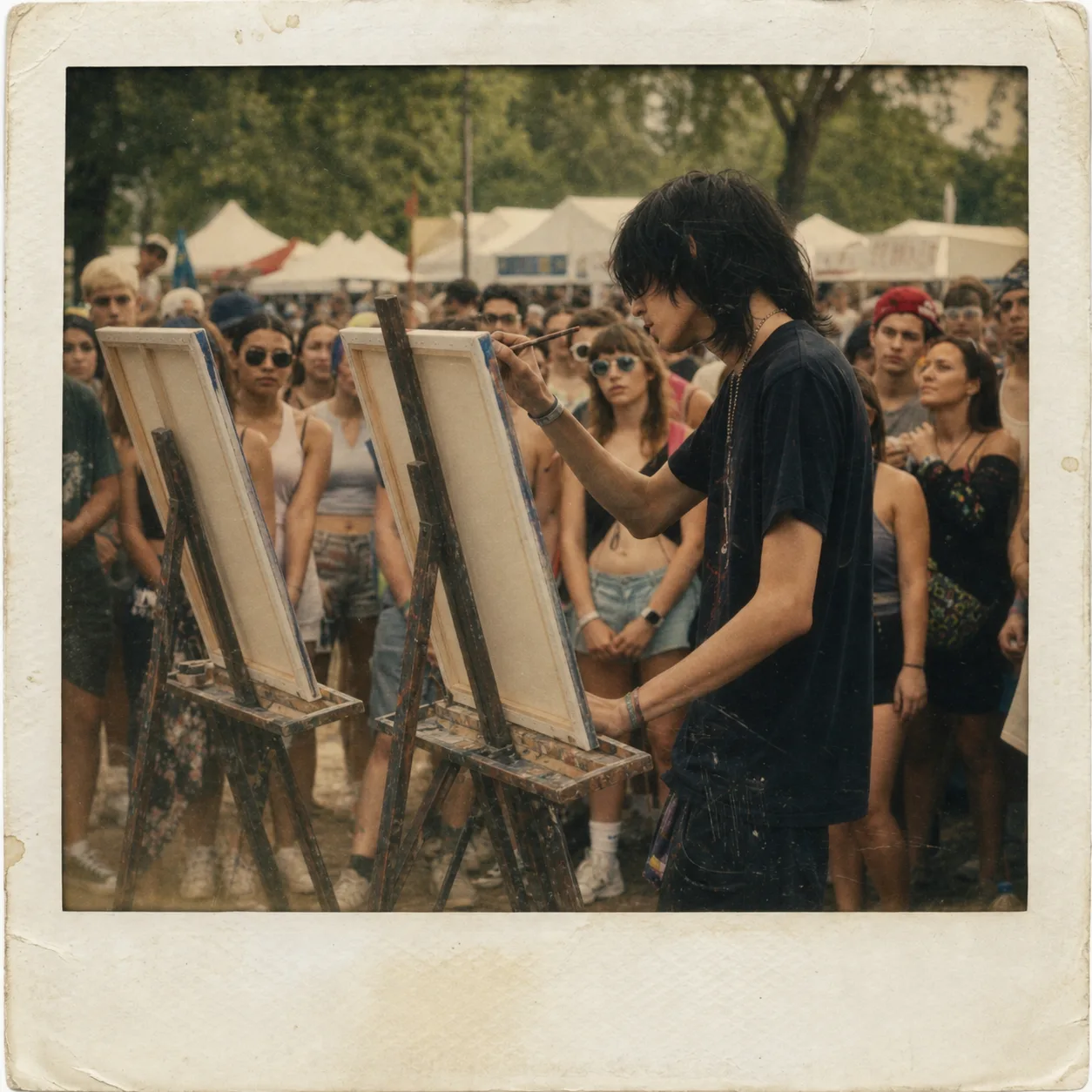
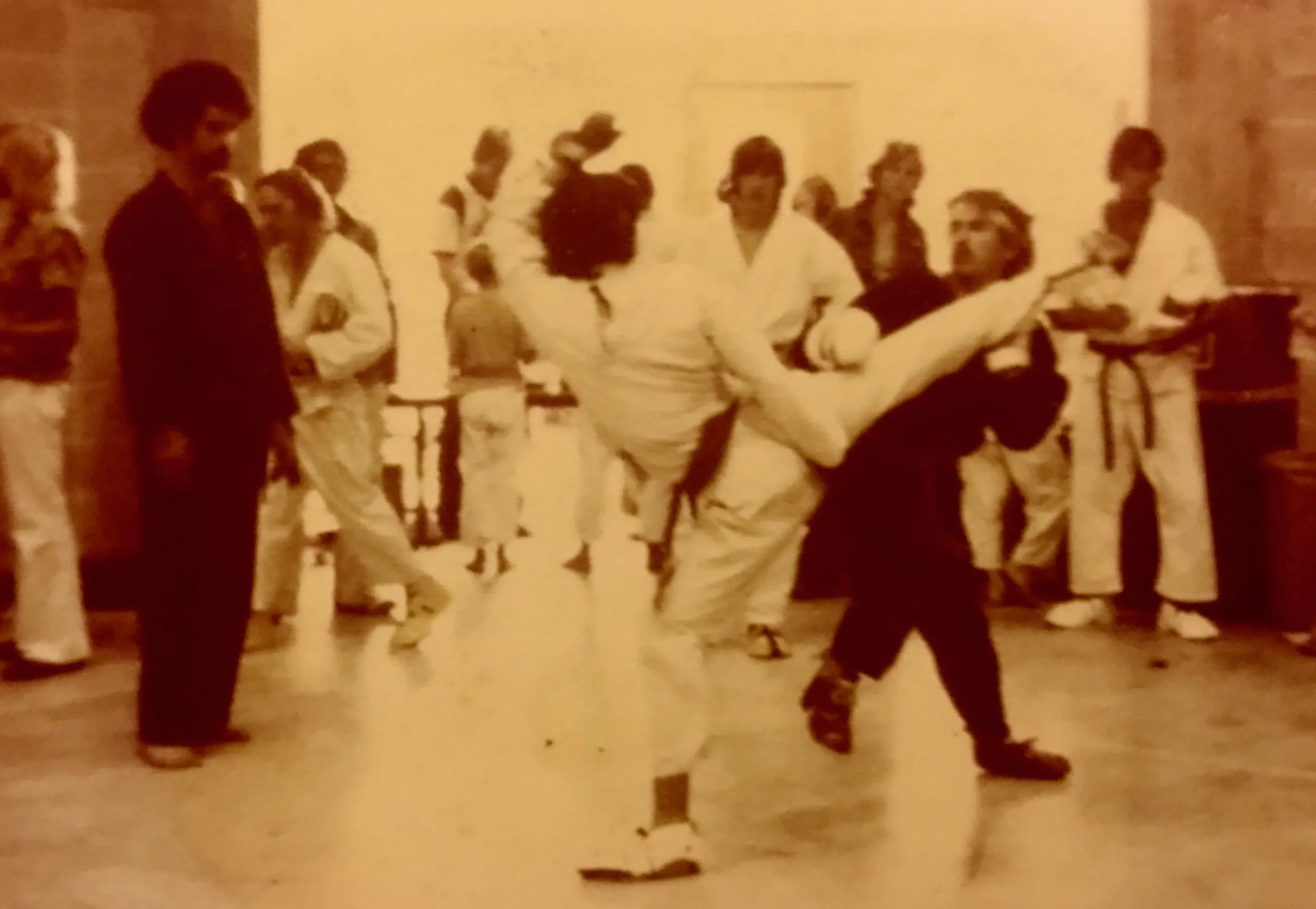
I started at 14 as the classic unknown — no formal training, no obvious talent. Just a kid painting at festivals, selling pieces for a few bucks each to cover rent and supplies..and earn the entry fees for Karate competitions. I was broke most of the time, but I didn’t care. I was doing what I loved: art and Karate.
My father told me to "GET A REAL JOB." We didn’t speak for years after that.
But I refused to quit. I kept painting.
To make it work, I had to paint faster. I set up multiple easels, cranked up the music, and let my martial arts discipline turn every brushstroke into a high-speed spectacle.
Crowds started gathering. People began bringing me meaningful photos of their families and life events. Something shifted. My paintings stopped being just pictures — they came alive with stories and emotion that actually hit people.




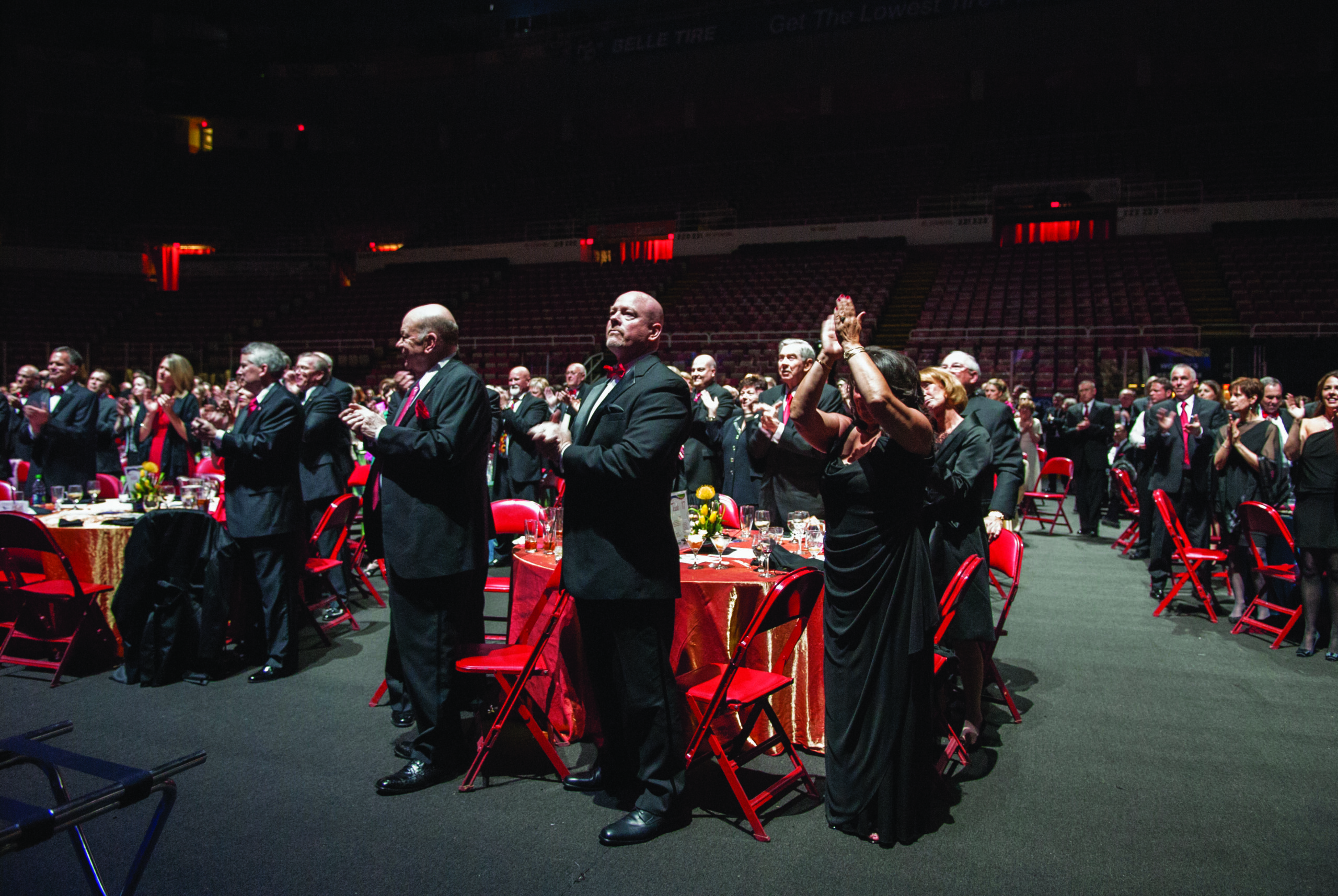
That energy took me around the world: Fortune 500 stages, presidential performances, opportunities I never imagined.
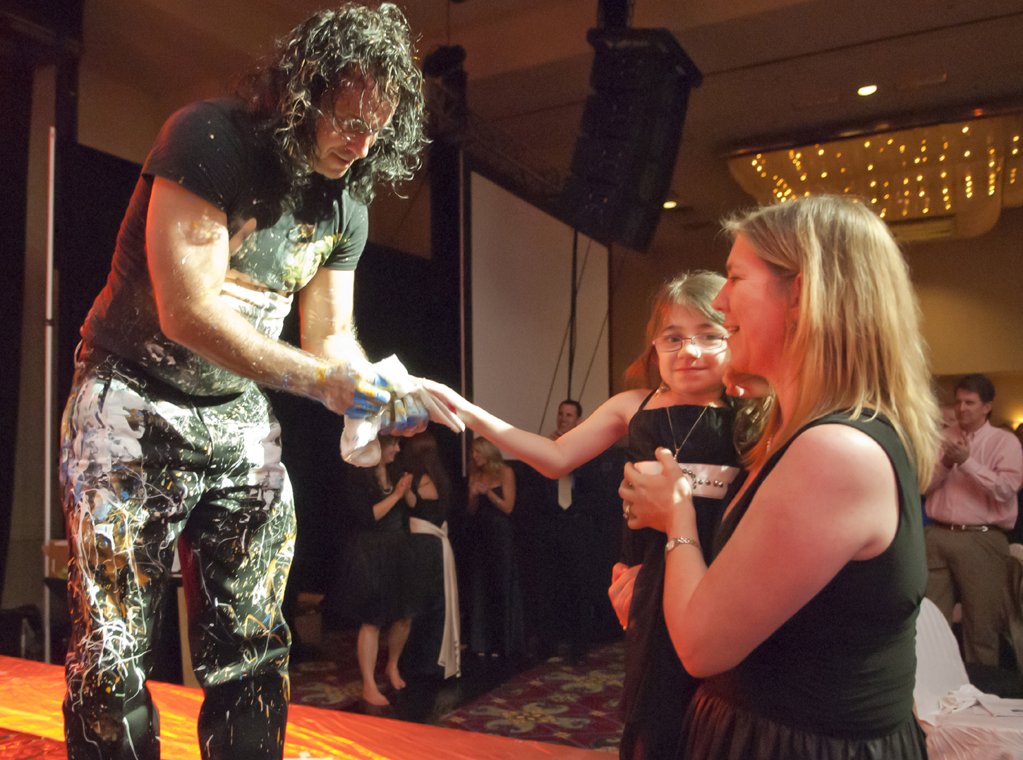
For charities, I don’t just donate a painting — I bring the full experience, same level as the big corporate or presidential gigs. People stand, cheer, sometimes cry as the meaning comes together in minutes. Bidding wars break out, not just for the art, but for the feeling they don’t want to let go of. I’ve helped raise millions for causes I believe in.
That’s the flashy part everyone sees. But there’s something way more precious than the fame or the dollars.
The UNSEEN Moments
The real magic has always been what happens beyond the canvas — those unexpected ripples that show up before, during, and long after the applause dies down.
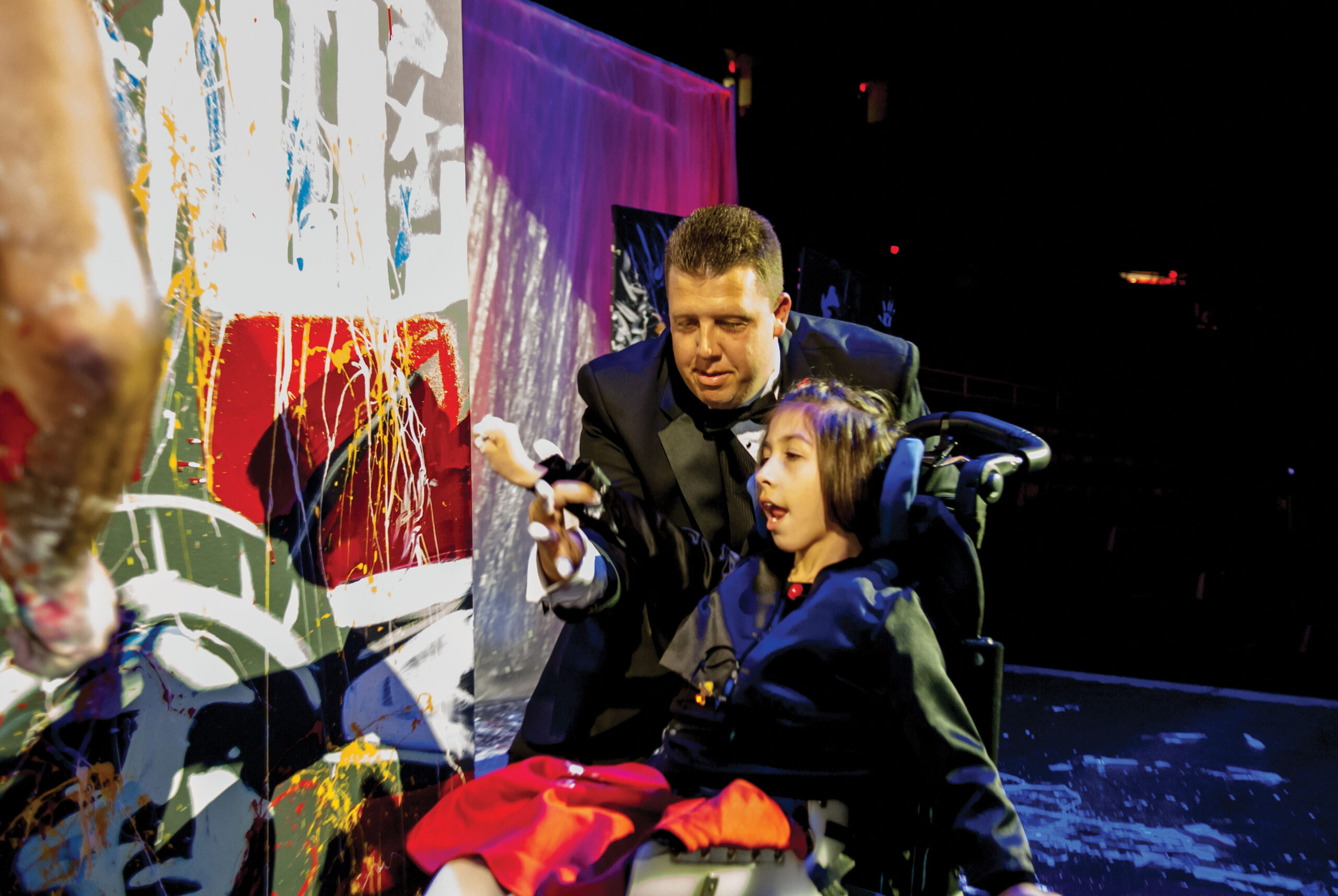
These moments go way beyond any planned performance. I’ve seen a young girl who nearly died in a fire find her purpose. A Special Olympics opening that could’ve been tragic turn into pure pride. A delinquent turn his life around. Millions of people finding real comfort in a single seven-minute painting. A Red Cross Chaplain get some healing. A blinded soldier experience joy and pride again.
They don’t happen because I planned them. They just show up when real heart meets real purpose.
When Fame and Fortune Aren’t Enough
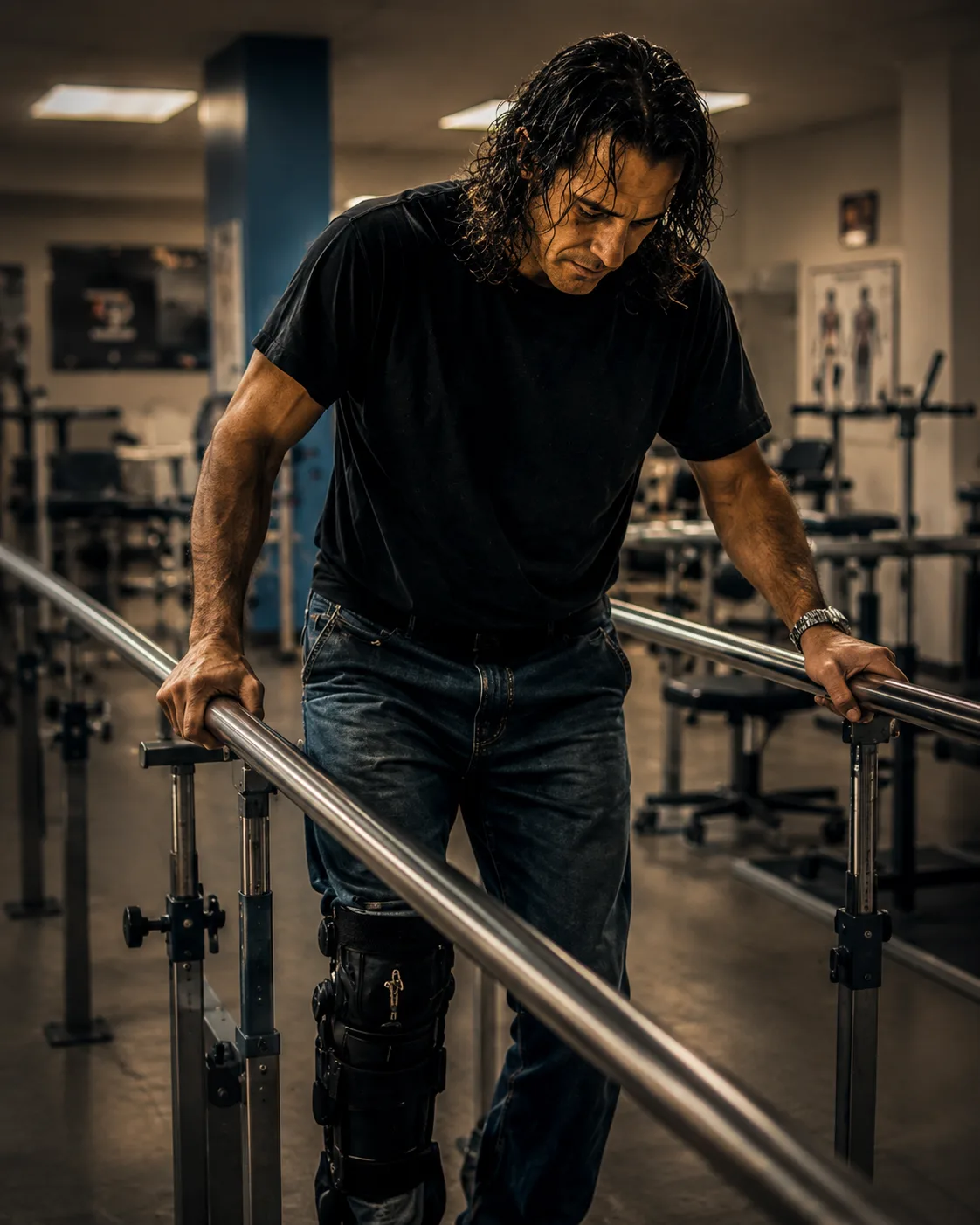
Recently an Amazon delivery driver hit me. MRIs, specialists, physical therapy, and constant pain ever since. The stages I used to run toward? Now I approach them with some real apprehension. Adrenaline gets me through the show — it’s still electric — but the days of suffering afterward are brutal.
Looking back, it's been an amazing ride. The standing ovations, the big stages, the spotlight… they’re amazing. But those things alone are not enough to push through the pain.
The UNSEEN moments are.
They’re why I still say yes when my body and common sense say stop. They’re why I keep fighting.
UNSEEN
Somewhere along the way I got a gift bigger than the shows or the paintings: the chance to witness and perhaps sometimes inspire impossible acts of courage, generosity, hope, and humanity.
I still don’t fully get why or how it happens. All I know is it’s connected to real compassion — that fire in my gut for the people and causes I’m painting for. Something deeper than talent or showmanship.
My time is more precious now, so I’m choosing fewer shows — only the ones that feel like they truly matter.
These UNSEEN stories aren’t just mine. They belong to the people whose lives were touched — sometimes days, years, or even oceans away from the actual performance. I share them because they still blow my mind and keep me going… and because they remind me why the pain is still worth it.
I hope something in them hits you too.
About Michael Israel
Michael Israel is an internationally acclaimed artist, entertainer, and humanitarian whose electrifying “speed painting” performances have inspired millions. From his humble beginnings as the proverbial unknown, starving artist, he rose through sheer talent and determination to become one of the world’s most impactful creative forces—donating millions in art and entertainment to support worthy causes.
His artistic journey began during the mayhem of 60s at just two years old after a lighthearted incident with his mother sparked an early passion for painting. A nomadic upbringing and years of martial arts training shaped both his discipline and the dynamic energy that defines his work.
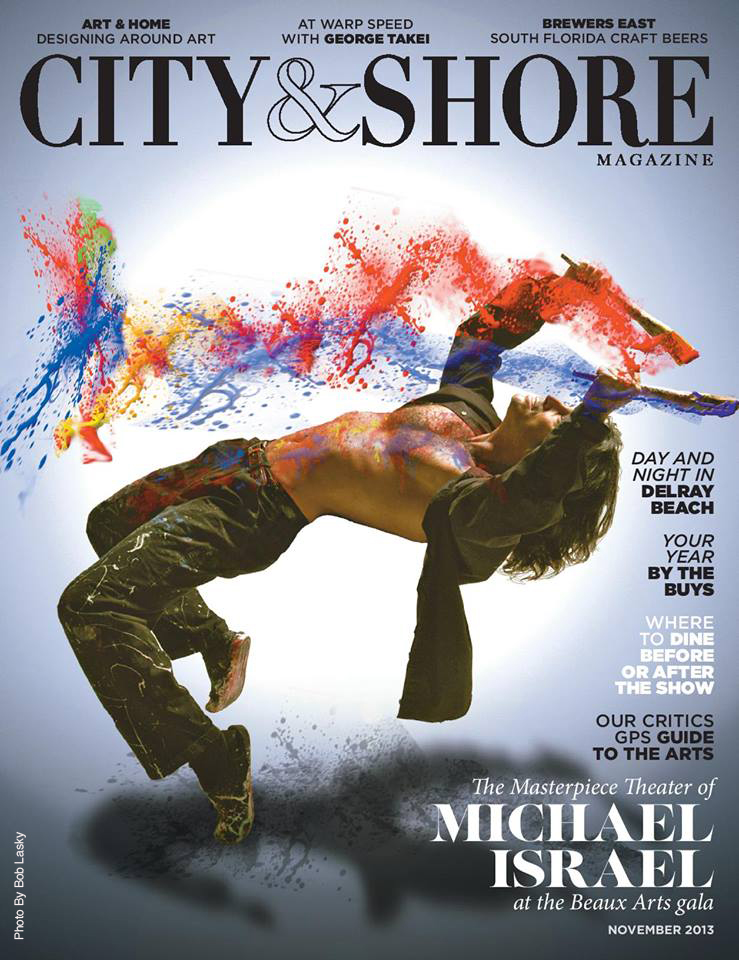
Today, Michael’s performances captivate audiences across the globe—from Monte Carlo’s Grimaldi Forum to Caesars Palace Casino—where his mastery of color, composition, and breathtaking speed transforms blank canvases into iconic masterpieces. Blending artistry with philanthropy, he continues to uplift communities and fuel missions, proving that art can entertain, inspire, and change lives. Artworks by Michael Israel are not simply portraits or performance pieces. They are message-driven works created around rock stars, Hollywood legends, heroes, icons, historic events, and human stories.
Some pieces are significant because of the subject. Others are significant because of the message. Many become powerful because the performance transforms the original meaning of the music, lyrics, imagery, or event into something deeper.
These works can be cultural, emotional, therapeutic, inspirational, or even symbolic talismans of hope, courage, luck, healing, and resilience.
HERO, for example, has become far more than a 9/11 tribute or firefighter painting. It has been studied in university lectures, shown in schools, and used to teach sacrifice, service, and remembrance.
What About Us, created after the Gulf Oil Spill, carried a message about overcoming greed and protecting the environment. At the same time, it helped restore confidence in Louisiana seafood and became part of the largest fundraiser for Friends of the Fishermen.
Across many works, the real value is not only in the paint. It is in the stories, causes, families, and lives that have been enriched, inspired, and sometimes even saved by what the artwork set in motion.
Speed Painting - Not About Speed?
Long before anyone called it “speed painting,” Michael Israel was simply painting.
As a teenager, he sometimes sold paintings for as little as three dollars. If he wanted to pay his bills, he had to paint. The faster one painting was completed, the sooner he could begin the next. On the busiest days, he would create hundreds of small paintings—sometimes as many as 500 in a single day. Eighteen- and twenty-hour workdays were not uncommon, and his fingers often blistered from painting so much.
So yes, speed mattered.
But it was never really about speed.
At least not entirely.
The truth is that Michael wasn’t racing against the clock. He was becoming immersed in the art, the music, the motion, and the creative process itself. Time seemed to disappear. Hours felt like minutes. The pace that people noticed was often nothing more than the natural result of an artist completely losing himself in the moment.
There were also times when the images he painted carried deep personal meaning. Those paintings became something more than pictures on canvas. They were expressions of admiration, gratitude, faith, patriotism, hope, loss, and the people who had touched his life. Art became a language through which emotions could be expressed when words were not enough.
What Michael could not have known then was that these experiences would eventually shape an entirely new form of artistic expression.
Years later, the artist who once painted hundreds of small works a day would become known for creating monumental six-, eight-, and even twelve-foot paintings live before audiences around the world.
What many observers called “speed painting” was actually something far more complex.
Creating a large-scale painting in five to eight minutes requires much more than moving a brush quickly. It demands complete confidence in composition, color, perspective, storytelling, and emotion. Thousands of artistic decisions must be made instantly. There is no opportunity to erase mistakes, slow down, or rethink a brushstroke. The artist must simply know.
It also requires physical endurance.
Most people don’t think of painting as a contact sport.
Michael Israel does.
A UFC championship fight consists of five five-minute rounds. Michael’s paintings often take five to eight minutes of nonstop, high-intensity action. Instead of facing an opponent, he is attacking a larger-than-life blank canvas.
He jumps, lunges, squats, twists, stretches, and races from one side of the canvas to the other while creating a finished work of art in real time. The force generated during some performances has been so intense that one-inch-thick brush handles have snapped in half mid-performance.
A five-painting performance can leave him with cotton mouth, exhausted muscles, and strained joints—the kind of physical fatigue most people would never associate with painting. To avoid injury, Michael learned long ago that he had to warm up and stretch before performances much like a professional athlete.
Thankfully, the canvases don’t hit back.
Still, Michael is no stranger to opponents who do—both in the ring and on the street.
Those stories, however, are for another time.
Today, audiences see a painting appear in minutes and often assume the speed is the story.
It isn’t.
The speed is simply what happens when decades of experience, artistic instinct, physical conditioning, music, motion, and emotion come together in a single moment of creation.
The audience sees a painting appear.
What they are really witnessing is a lifetime unfolding before their eyes.